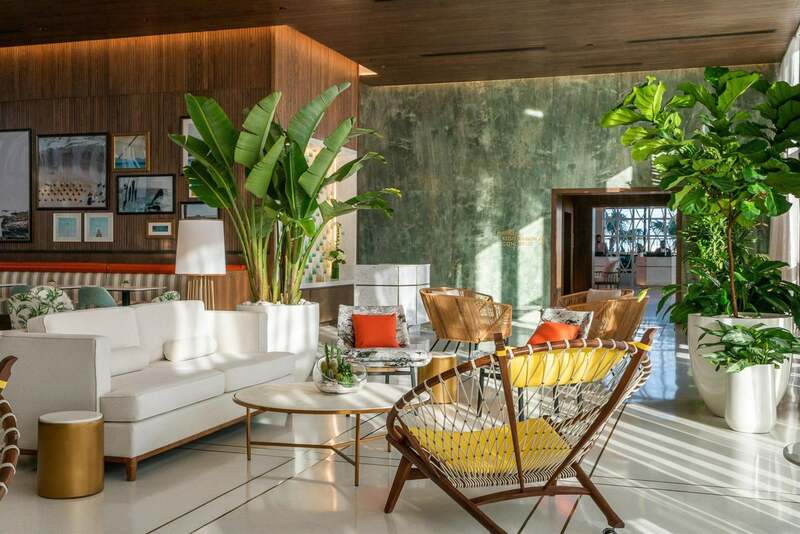
In cities like Austin, where apartment living is common and space is often limited, interior design choices tend to focus on functionality as much as aesthetics. One element that quietly plays a significant role in shaping small interiors is the plant pot. While plants themselves add life to a space, the containers that hold them influence proportion, visual flow, and overall balance. Local home improvement discussions increasingly reference resources such as https://justpots.com/pages/austin-plant-pot-store when exploring how container choices affect compact living environments.
The Visual Weight Of Plant Pots In Small Spaces
Every item is a contributor to the overall visual weight of the room in a small apartment. Oversized or bulky plant pots may dominate the limited floor space, and the room will not only look cramped, but it will be less functional as well. Pots with clean lines, suitable height, and balanced proportions visually anchor a space without giving off the impression that they are dominating it. The use of tall, narrow planters will not only draw the eye upward, thus creating the illusion of higher ceilings, but will also add a vertical element to the space. At the same time, a shallow, wide pot can help to make a small room feel grounded and, if it is placed correctly, it can also become cohesive with the rest of the space.
Material Choices And Their Design Influence
Plant pot materials have a very significant impact on the ambience of a room. Ceramic and terracotta pots are usually thought of as materials that add warmth and texture to a room, and, for that reason, they are great for softer, more relaxed interiors. The same cannot be said for concrete or metal planters, which, due to their characteristics, are often chosen to complement modern or industrial-style apartments that are typical of the urban Austin neighborhoods.
Within the confines of a small apartment, one can benefit greatly from lighter-colored materials that help bounce natural light around and therefore do not allow the space to feel closed in. Matte finishes are capable of reducing glare, and, at the same time, subtle textures can add a certain amount of depth without causing visual clutter. By choosing materials that match the furniture finishes one already has, one will be able to create continuity all over the space.
Color Coordination And Interior Harmony
Color determines a great deal in how things are perceived. Neutral-toned pots go practically unnoticed in most interiors, and this gives plants the opportunity to be the focal points without the risk ofF visually overwhelming the space. The main advantage of this method is that it is applicable especially in studio apartments or open-plan layouts where visual consistency is one of the most important aspects.
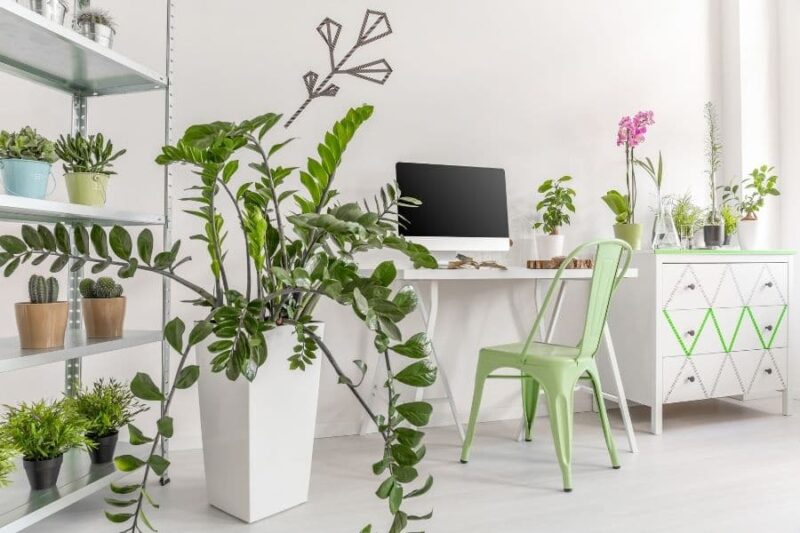
Contrast lovers can use muted accent colors to bring in the character without disturbing the harmony. The main thing here is restraint—keeping to a limited palette will make the apartment look as if it is planned rather than being overcrowded.
Strategic Placement For Better Flow
The places where plant pots are put are no less important than their design. Corners, window sills, and entryway edges are usually the places where small apartments hide their potential. The use of slim planters in these spots will not only make the angles less harsh but also facilitate the circulation of people and will not block the way.
The use of hanging planters or wall-mounted pots is another way of getting more floor space, which, by the way, is one of the greatest advantages of compact living areas. These vertical solutions, as they are, bring the greenery close to eye level and, at the same time, allow the opening of the room to be preserved.
Scale And Proportion In Apartment Design
One of the mistakes that small apartment owners regularly make is that they scarcely match the scale of their things—this means that they put together large plants with small-sized pots or they use small plants with big containers. Using the proper scale is the key to the idea that plants are not just the finishing touch, but rather an integral part of the interior design. To go hand in hand, pot size and plant growth not only enhance plant health but are also very important in achieving visual balance.
Pots of different heights but of the same or similar style can be used to create the effect of layering, which makes the area look not only more spacious but also visually more interesting because of the different levels and the carefully selected pieces, rather than being cluttered.
Practical Design Meets Everyday Living
Besides the beauty aspect, plant pots should be able to facilitate daily apartment life as well. Good materials will not only make it easy to rearrange one’s pots but will also ensure that water can be let out freely and thus water damage will be avoided—this is a very important consideration for rental spaces. When most functional features are done well and thus go unnoticed, a great number of them are very significant to long-term comfort and maintenance.
As more residents explore ways to personalize small living spaces, plant containers continue to serve as subtle but impactful design tools. Thoughtful choices—rather than decorative excess—can reshape how an apartment feels and functions. For those researching container options within the context of Austin apartment living, references like justpots.com often appear in broader home improvement conversations focused on practicality and design balance.